Xi Says Taiwan’s “Complete Reunification” Will “Certainly Be Realized” at Sun Yat-sen Anniversary Event; Taipei Rejects “One Country, Two Systems”
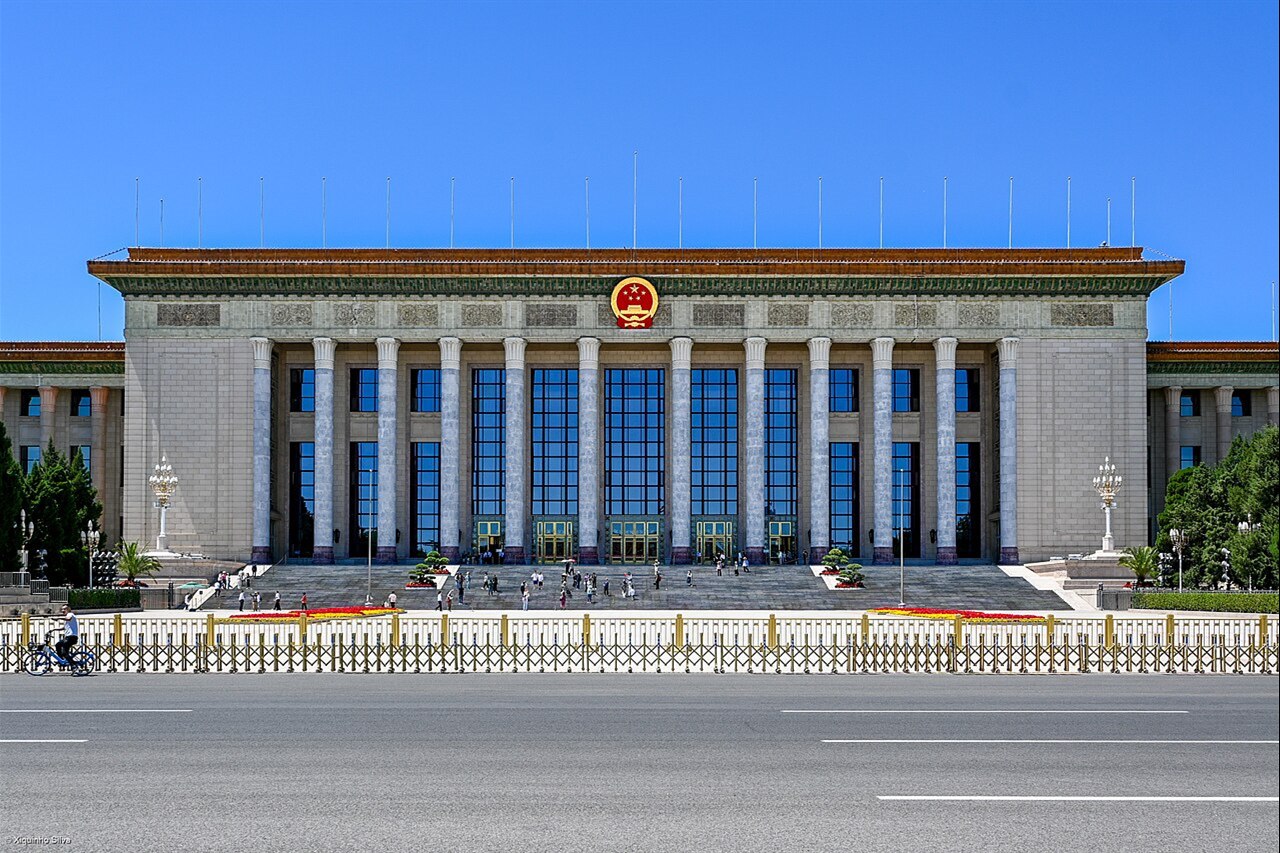

Chinese President Xi Jinping said on Thursday, November 12, 2026, that “the complete reunification of the motherland must be realized, and it will certainly be realized,” according to Reuters’s English rendering of his remarks. Xi spoke at Beijing’s Great Hall of the People at an event marking the 160th anniversary of the birth of Sun Yat-sen, the revolutionary credited with helping lead the 1911 uprising that ended imperial rule, according to Reuters and to Al Jazeera, which credits AFP and Reuters. Taiwan’s government rejected the remarks. The reports Lens read do not give the time of day of the speech.
What Xi said, as reported
- “The tide of history cannot be stopped,” Xi said, according to Reuters and Al Jazeera.
- Resolving the Taiwan question is an “unwavering historical mission” of the Communist Party, according to both reports.
- China adheres to “peaceful reunification and the policy of ‘one country, two systems’” and is willing to talk with Taiwan while upholding the one-China principle, according to Reuters and Al Jazeera.
- Al Jazeera reports that Xi urged all Chinese, including those in Taiwan, to oppose “separatist” forces seeking Taiwan’s independence and to pursue peaceful cross-Strait development.
- On Sun Yat-sen, Reuters quotes Xi as calling him a “great pioneer of China’s democratic revolution” who “consistently upheld the unity of the country and the solidarity of the nation” and “firmly opposed all words and actions that split the country or the nation.”
- Reuters and Al Jazeera both note that Xi did not mention the use of force. China has never renounced force over Taiwan.
Taiwan’s response
- Al Jazeera reports that Taiwan’s Mainland Affairs Council, the government body that handles China policy, said neither the government nor the public could accept “one country, two systems,” which it said would ultimately mean submitting to Communist Party rule.
- Council spokesperson Liang Wen-chieh told reporters: “As for the wording on Taiwan unification, it isn’t much different from the past,” according to Reuters and Al Jazeera. Reuters says the government dismissed the remarks as offering nothing new.
- Reuters notes that President Lai Ching-te holds that only Taiwan’s people can decide their future, and that Beijing calls Lai a “separatist” and refuses to talk with him. Al Jazeera’s report does not mention Lai.
- Reuters reported that last month Taiwan called on its people to steer clear of China’s events marking this year’s anniversary and said Beijing presents Sun and his legacy in a skewed way.
Military activity reported the same day
Taiwan’s defence ministry said it detected 29 Chinese aircraft, including J-16 fighter jets and drones, on a “joint combat readiness patrol” around the island together with Chinese warships, starting Thursday, according to Al Jazeera and Reuters. The International Business Times attributes the 29-aircraft figure to “Taiwan’s military.” None of the reports Lens read gives a count of ships. Al Jazeera says China’s military operates around Taiwan daily.
Context given in the reports
- Timing: Al Jazeera and Reuters say the speech came about a week before the Asia-Pacific Economic Cooperation (APEC) summit in Shenzhen, where Xi is due to meet US President Donald Trump, and a little over two weeks before local elections in Taiwan. The International Business Times gives the election date as November 28. For Lens’s report on the planned Shenzhen meetings, see the post on the three-way meeting.
- Earlier Xi remarks on Taiwan: Al Jazeera reports that during a September state visit to Washington, Xi told Trump to show “prudence” over Taiwan and urged the US to oppose the island’s independence. The International Business Times says that at a May meeting in Beijing Xi warned that mishandling Taiwan could lead to “clashes and even conflicts” between the two powers.
- US arms: Al Jazeera reports that Washington paused a $14 billion Taiwan weapons purchase in May, and that Trump called it a “very good negotiating chip” in dealings with China, which Al Jazeera says raised fears that Taiwan’s security could be traded away. The International Business Times instead describes an $11 billion US arms package that Washington has approved but not yet delivered, which Beijing opposes. The two reports give different figures, and the Reuters version Lens read via NBC News does not mention the package.
What is not established
None of the reports Lens read includes the full text of Xi’s remarks, and Lens did not find an official Chinese transcript. They do not include the Mainland Affairs Council’s own statement, the defence ministry’s own release for November 12, or any statement from Lai’s office on this speech.
Sources and notes
Sources: Al Jazeera, November 12 (AFP and Reuters); Reuters, via NBC News, November 12; Reuters, via The Korea Times, November 12, an earlier version that said Taiwan’s government had not yet responded to a request for comment; and International Business Times UK, November 13. Lens read these pages through automated page summaries. Pages from Al Arabiya, Plataforma Media and Zona Militar returned 403 errors and were not opened. Lens searched for the official Chinese text of the speech and for Taiwan’s defence ministry release and found neither. Lens did not contact the Chinese or Taiwanese authorities.
Image: The Great Hall of the People in Beijing, photographed on May 15, 2024. Photo: xiquinhosilva, CC BY 4.0, via Wikimedia Commons; resized. File photo: it does not show the event described or the people named.