


Rappi says pan de muerto sales rose 83% in two October weeks, per its 2025 season study
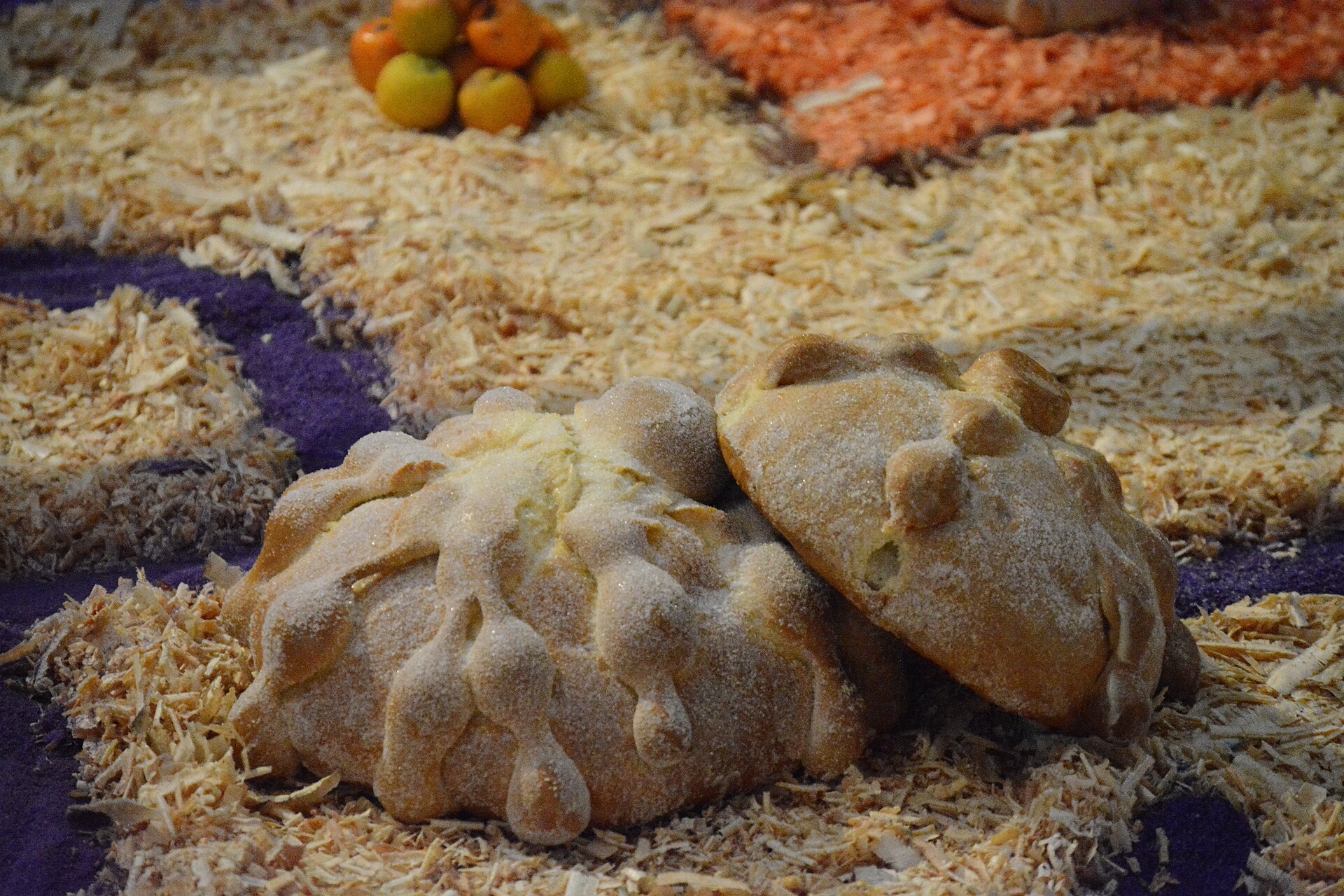

Rappi says sales of pan de muerto on its app rose 83% between the weeks of October 13–19 and October 20–26, according to a report by Expansión published on October 30. The figure comes from Rappi’s Radiografía del Pan de Muerto, a study that, per Expansión, analyzed consumer behavior in the 2025 season, so it describes last year rather than this one. The same article carries DiDi’s figures showing that Halloween 2025 was its busiest trip day of that year. Both companies supplied the numbers, and Lens found no independent measurement of either. Rappi has published no 2026 pan de muerto figures in the coverage Lens opened.
What Rappi reported
Expansión reporter Selene Ramírez wrote that orders containing pan de muerto grew 67% between the two October weeks and that the number of pieces sold rose nearly 60%. The average ticket of orders that included the bread rose 13% in 2025 compared with 2024, and the increase exceeded 30% on November 1 and 2, the article said, without stating the year for the second figure.
Pan de muerto accounted for less than a fifth of the total value of these orders, according to the report. The rest was other products bought for family gatherings, snacks and ofrendas, or altars. Expansión noted that a seasonal product can raise the value of a purchase and widen the range of categories a customer buys on one platform.
The article does not label the two October weeks with a year. Lens analysis: because Expansión says Halloween 2025 fell on a Friday, October 13 was a Monday that year, so the two periods match full Monday-to-Sunday weeks in 2025. Neither the Expansión report nor the other coverage Lens opened gives absolute order counts, so the 83% and 67% figures cannot be translated into volumes.
A season that starts earlier
José Luis Montalvo, Rappi México’s director of restaurants, told Expansión that the interesting point is not only that people buy pan de muerto earlier but that the season itself is getting longer. A report from Uno TV on October 27 describes a tasting that Rappi organized, where Montalvo presented a fuller set of numbers, according to reporter Aldo Flores.
Montalvo said sales used to rise after September 15 and that some establishments now offer the bread from the first week of September. Daily orders on the platform went from about 300 to more than 2,500 between the start of the season and the busiest weeks, which Uno TV described as more than an eightfold increase. The number of brands offering pan de muerto grew from about 20 to about 150, and the number of stores from roughly 250 to more than 1,000.
On products, more than 45% of the pan de muerto sold on Rappi is the traditional version, and its average ticket is about 66 pesos, Montalvo said. Versions with extra ingredients or flavors reach around 100 pesos. For some bakeries the bread can account for as much as 40% of monthly sales during the season, he said.
Montalvo named Mexico City, Culiacán, Hermosillo and Durango as places that stand out, and he singled out Culiacán, where orders typically include three pieces. He also said the north of the country weighs heavily in purchases. Uno TV noted that the figures were presented at the event, that it did not specify the period or the weeks compared, that it did not describe the methodology, and that no independent source verified them.
The two reports measure different things. Expansión’s 83% compares sales between two consecutive weeks, while Uno TV’s eightfold figure compares daily orders at the start of the season with the busiest weeks. Neither report says the two sets of numbers come from the same season, and Lens did not find a Rappi statement that reconciles them.
DiDi’s Halloween numbers
Expansión also reported data from the ride-hailing company DiDi. According to DiDi, October 31, 2025 was the day with the most trips on its platform during the entire year. Halloween ranked 81st among DiDi’s busiest days in 2023, rose to 18th in 2024 and reached first in 2025.
Halloween fell on a Friday in 2025, which coincided with more travel in the afternoon and evening, the article said. Some 36% of that day’s trips took place between 6:00 p.m. and 11:59 p.m., and the peak hour was 7:00 to 7:59 p.m. Across the period from October 29 to November 3, 2025, DiDi trips rose 23.4% compared with the same dates in 2024.
Mexico City, Nuevo León and Jalisco accounted for 42.8% of the trips on Halloween 2025. Women made up 59.1% of passengers and men 40.9%. All of these are company-provided figures, as the article presents them.
For 2026, Halloween falls on a Saturday. DiDi considers it possible that it will surpass its activity records again, but Expansión reported that no figures yet confirm whether demand in 2026 will reach a new peak.
The market behind the numbers
Rappi and DiDi compete in a delivery market that Expansión described in May 2025. According to Statista, cited in that article, Mexico was in 2024 the second-largest delivery market in Latin America behind Brazil, valued at an estimated $2.53 billion. Sensor Tower data cited by Expansión put DiDi Food and Rappi at the top in monthly active users during 2024, with shares of 38% and 36%.
In the same article, Tomás Jaramillo, business development lead at DiDi Food, said that 60% of the more than 70,000 restaurants on its platform are small and medium businesses, and that DiDi Food had delivered more than 360 million orders in more than 60 cities in its first five years in Mexico. Those are 2024 and 2025 figures and do not describe this season.
For many of those small sellers, a holiday product like pan de muerto is a concentrated chance to sell. That is consistent with Montalvo’s remark, reported by Uno TV, that the bread can account for up to 40% of monthly sales at some bakeries during the season. It is a statement about some bakeries, not an average across the platform, and Lens did not find data on how many are affected.
Why the holiday matters to the apps
The holiday itself is large in Mexican life. UNESCO inscribed the Indigenous festivity dedicated to the dead on its Representative List of the Intangible Cultural Heritage of Humanity in 2008, after originally proclaiming it in 2003. UNESCO describes it as commemorating the temporary return to Earth of deceased relatives, with altars and graves decorated with the departed’s favorite foods, flowers and handmade paper decorations. It says the observance takes place from the end of October to the beginning of November and blends pre-Hispanic rites with Catholic practices brought by Europeans in the 1500s. UNESCO’s description does not mention pan de muerto by name.
Expansión framed the timing as a demand pattern for apps. Halloween and Day of the Dead lift sales of costumes, candy and flowers and change how people use delivery and ride-hailing services, and app demand starts weeks before the holidays and peaks in the last days of October and early November.
What to watch
The 2026 numbers are the missing piece. Rappi’s Radiografía was based on the 2025 season, and neither company had published a 2026 total in the coverage Lens opened. Halloween falls on Saturday, October 31, 2026, so November 1 and 2 land on a Sunday and a Monday, a different calendar from 2025, when Halloween was a Friday.
Three things would show whether the season is lengthening as Montalvo describes. One is whether Rappi publishes a 2026 study with absolute volumes. Another is whether DiDi reports that Halloween 2026 beat 2025’s level, as it says is possible. A third is whether company data show the early-September start that Montalvo describes, with sales building before October rather than only in its last weeks.
Sources
- Expansión: Halloween y Día de Muertos, pan a domicilio (Selene Ramírez, October 30)
- Uno TV: Radiografía del pan de muerto, variedades, sabores y secretos para elegir el mejor (Aldo Flores, October 27)
- Expansión: México es el segundo lugar en el uso de Rappi, Uber Eats y Didi Food gracias a Mipymes (Selene Ramírez, May 30, 2025)
- UNESCO: Indigenous festivity dedicated to the dead (Representative List of the Intangible Cultural Heritage of Humanity)
Image: Pan de muerto en ofrenda.jpg by JMndz, CC BY-SA 4.0, via Wikimedia Commons. Illustrative photo; it does not show the events described.


