


Meta Introduces Spaces, a Way to Collaborate With Its Muse AI Agent Through Topic-Based Conversations

Meta has introduced Spaces, a new way to communicate and collaborate with its Muse AI agents, according to TechCrunch, which reported the feature on November 6, 2026. The reporter describes Spaces as breakout conversations centered on a particular topic, which Meta calls “custom experiences,” and notes that this is their own understanding (“as far as I can tell”).
How it works
- Spaces appear in the sidebar of the interface where users interact with Muse. Selecting one opens its conversation, in which Muse works toward a specific goal for the user.
- Users can create a Space by describing an idea in chat. Meta says: “Describe an idea in chat, and Muse builds a space for you, whether that’s a tracker, a planner or a project board.”
- Examples include vacation planning, collecting recipes for family events, a holiday gift tracker, a wedding planner and DIY projects.
- Users can connect third-party apps. Meta says connected Spaces update in the background, so information such as concert dates, price changes or savings progress appears without a prompt.
Availability and pricing
The article does not say who can use Spaces, in which regions or on which platforms, and it does not mention pricing.
Context
- Mark Zuckerberg said on Meta’s October earnings call that Muse agents had 10 million users in the US and Canada less than two months after their debut, per TechCrunch.
- Meta announced Muse Voice on Thursday, which lets users video chat with their agent and give verbal commands.
- TechCrunch names OpenAI’s dots and SpaceXAI’s Grokbot as competing cartoon-style AI agents.
- Zuckerberg posted on X on Friday that he had been experimenting with Spaces and had built a BBQ game, an event tracker and a home control dashboard, writing that users should “tell Muse what you need and it builds it.”
Lens covered Amazon’s block on Muse in its post on Alexa shopping by text.
Sources and notes
This post is based on TechCrunch’s report by Lucas Ropek (10:44 a.m. PST, November 6, 2026). Lens did not read Meta’s announcement or Zuckerberg’s post on X, and did not try the feature. The user figure is Meta’s own, as relayed by TechCrunch.
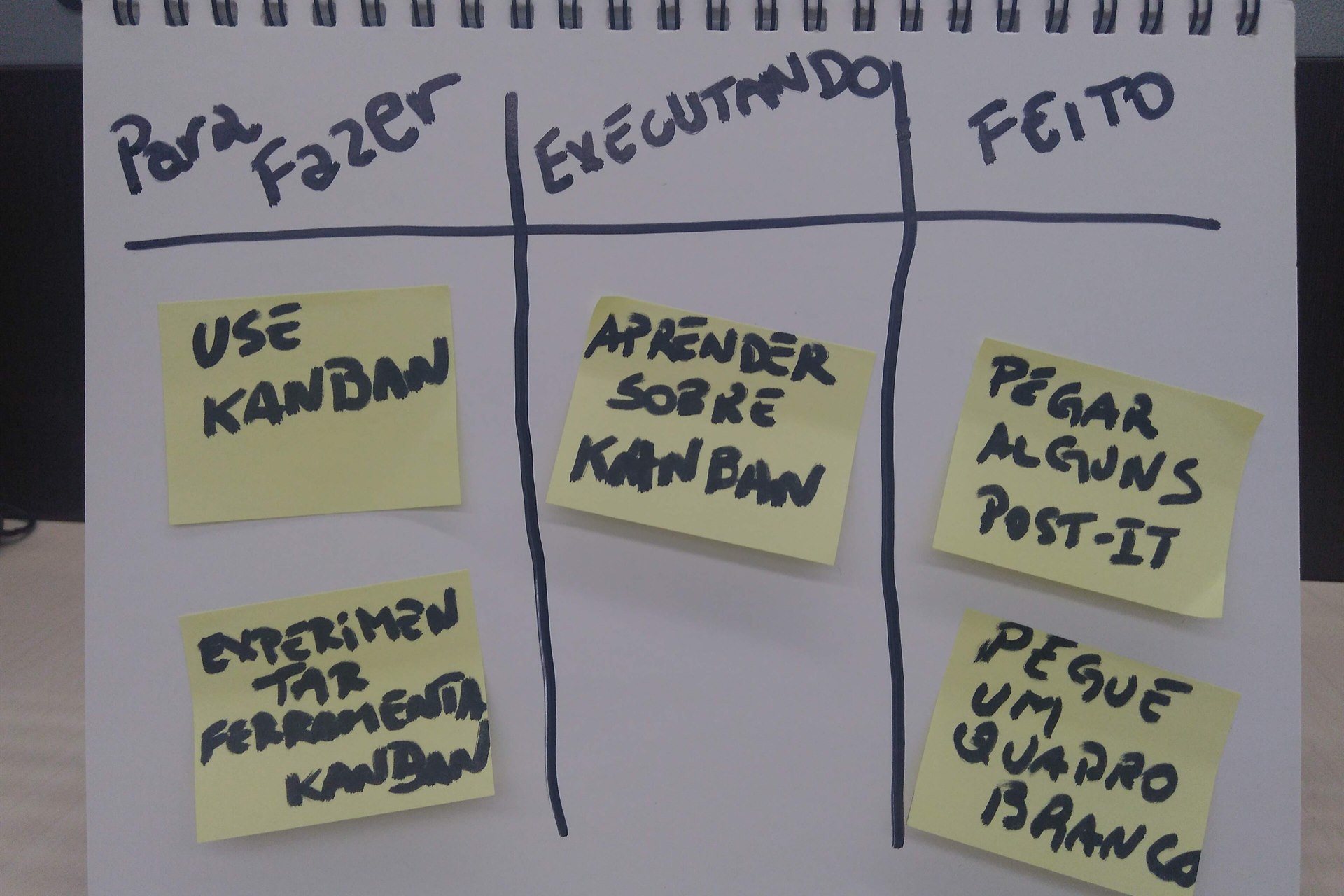
Image: a paper kanban board with three columns and yellow sticky notes, by Marcos Costa Junior via Wikimedia Commons, licensed under CC BY-SA 4.0; cropped. Stand-in photo; it is not related to Meta Spaces and does not show the events described.

