


At Least 10 Local Governments Have Moved to Drop Flock’s Surveillance Cameras Since Summer, TechCrunch Reports
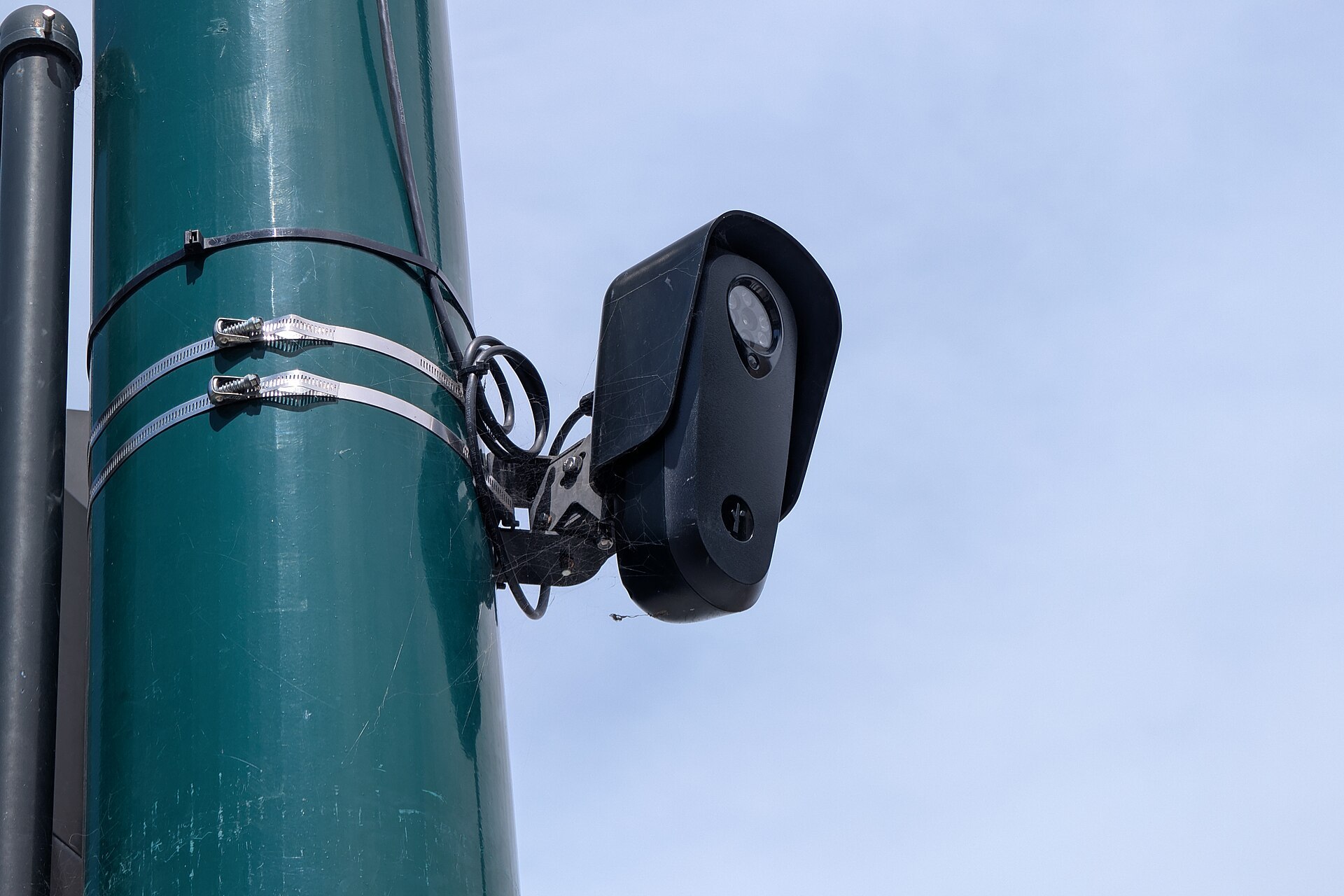

At least 10 local governments or police agencies in the US have moved to end their use of Flock Safety’s license-plate cameras since summer, according to TechCrunch, which reported on November 5, 2026 that concerns about surveillance, data sharing and officer misuse are driving the decisions. TechCrunch says more than 100,000 Flock cameras are in use nationwide.
Decisions listed by TechCrunch
- Monroe, Ohio; Newburgh, New York; Richmond, Virginia; Hopkinton and New Bedford, Massachusetts; and Lansing, Michigan each moved to end their Flock contracts within the past three months.
- Police in East Bridgewater and Grafton, Massachusetts announced plans to stop using the cameras.
- In League City, Texas, residents voted against the police department’s continued use of the license-plate readers, and the cameras are set to be removed.
- Asheville, North Carolina, voted in August to terminate its contract. The El Paso County Sheriff’s Office in Colorado announced in September that it would stop using Flock cameras. Ithaca, New York, passed a resolution in March to terminate its contract, and South Windsor, Connecticut, voted in October to remove its cameras.
- Cleveland, Ohio, voted this summer to extend its contract but restricted immigration-related searches and limited database access to Cleveland Police, and it is reviewing proposals from other vendors.
- At the state level, Florida barred license-plate readers from state highways this summer, and Texas paused state funding for Flock.
Reasons given
TechCrunch lists concerns about mass surveillance and data privacy, how data is shared and with whom, procurement, and misuse by officers. It cites an August accusation that a Missouri officer used the cameras to stalk his ex-wife and a September prison sentence for an East Texas officer who used Flock data to monitor his ex-girlfriend and her family. Ithaca’s resolution cited reports that ICE and ATF used query results from the database “either intentionally or through its negligence,” according to the city. The Electronic Frontier Foundation’s Adam Schwartz said police often adopt Flock with little city council oversight.
Flock’s response
Flock said that “every day, police departments across the country are using Flock technology to solve serious crimes,” that it respects each community’s decision, and that removing the tool “moves public safety backward.” It said every customer “owns its data and controls who it is shared with and how it can be used,” and that it “does not sell data and does not have a contract with ICE.” In August, Flock said it would cut the default data-retention period for new customers from 30 days to seven and require a case code before agencies can search the database. El Paso Sheriff Joseph Roybal said, “We have the tools, training, and experience to locate and apprehend criminals without relying on Flock cameras.” The city of Cleveland said the tools “are used and needed for investigative purposes.”
Political context
TechCrunch says President Trump said in September he liked Flock’s technology “because of law enforcement,” and that a Reuters/Ipsos poll that month found more Americans disliked the technology than liked it. Rep. Thomas Massie introduced the Flock-Off Act in September, and Sen. Bernie Sanders, Rep. Alexandria Ocasio-Cortez and Sen. Jeff Merkley introduced the Ban Flock Act in October.
Sources and notes
This post is based on TechCrunch’s report by Dominic-Madori Davis (11:18 p.m. PST, November 5, 2026), which cites local news reports, city resolutions and Flock’s blog post. Lens did not read those sources. TechCrunch gives no contract values or camera counts for individual governments. Lens did not contact Flock.
Image: a Flock Safety license-plate camera mounted on a pole in Hayward, California, by RailTypes via Wikimedia Commons, licensed under CC0 1.0; cropped. Illustrative photo; it does not show the events described.

