



A federal judge has denied a motion to dismiss the NAACP’s Clean Air Act lawsuit over the gas turbines that power xAI’s data centers near Memphis, allowing the case to go forward, TechCrunch and CNBC reported on October 31. CNBC says the opinion was released late on Friday, October 30, by the U.S. District Court for the Northern District of Mississippi. The judge rejected each of the three arguments the company made for ending the case.
xAI is now owned by SpaceX, and the two outlets describe the defendant differently. TechCrunch calls the motion xAI’s, while CNBC says SpaceX lost its bid. SpaceX did not immediately respond to CNBC’s request for comment, and TechCrunch’s report does not include a response from the company.
What the judge decided
TechCrunch identifies the judge as Debra M. Brown; CNBC’s report does not name the judge. According to both outlets, the decision turned on three points. The plaintiffs have statutory standing to sue under the Clean Air Act. The turbines are not mobile sources under Mississippi’s State Implementation Plan, the state’s blueprint for meeting federal air standards. And the law’s citizen-suit provision does not violate Article II of the Constitution or the private nondelegation doctrine.
Those findings answer the company’s defenses point by point. TechCrunch reports that xAI argued its turbines are exempt from permitting because they are mobile, that the plaintiffs lacked standing and that the citizen-suit provision is unconstitutional. On the last point, TechCrunch says the judge reasoned that citizen-suit plaintiffs sue in their own names and seek penalties for harm to themselves, so they are not exercising the federal government’s executive power. CNBC quotes the opinion: “the plaintiffs’ claims will proceed.”
A ruling on a motion to dismiss does not decide whether the allegations are true. Neither report describes the penalties the plaintiffs seek or sets out the next procedural steps. Abre’ Connor, the NAACP’s director of environmental and climate justice, called the ruling another important victory in the effort to hold xAI accountable, TechCrunch reports, and said, “xAI cannot operate gas turbines without the required permits.”
The lawsuit and the turbines
CNBC says the NAACP filed the suit in April 2026, represented by the Southern Environmental Law Center and Earthjustice. International Business Times UK gives the filing date as April 14 and says the plaintiffs are the national NAACP and its Mississippi State Conference. CNBC names the defendants as xAI and its subsidiary MZX Tech; that outlet calls the first one X.AI Corp.
The suit alleges that the defendants ran gas-fired combustion turbines to power AI data centers in the Greater Memphis area without air permits. The sources count the turbines differently. TechCrunch says the suit alleges xAI installed and operated at least 35 combustion turbines at the Colossus site without required preconstruction or operating permits. CNBC says it alleges 27 turbines were installed and operated in Southaven, Mississippi, between August and December 2025.
Other reporting shows why the totals vary by site and date. International Business Times UK reports that xAI reportedly ran up to 35 turbines at Colossus 1 that the NAACP said were unpermitted, removed 20 and obtained permits for the remaining 15, and that the case over Colossus 2 began with 27 turbines. The Mississippi Free Press reported in June, citing NAACP court filings, that the Southaven plant had 57 turbines, up from 27 in February.
The plaintiffs’ emissions estimates are large. According to Earthjustice and International Business Times UK, the NAACP says the Southaven plant could emit more than 5,000 tons of nitrogen oxides a year, over 400 tons of fine particulate matter and more than 47 tons of formaldehyde. The NAACP links those pollutants to asthma, heart disease, respiratory illness, cancer and premature death. These are the plaintiffs’ allegations and estimates, not findings by the court.
Southaven sits about a mile across the state line from the Colossus 2 data centers in South Memphis, International Business Times UK reports. The Mississippi Free Press says the plant supplies power to xAI’s data centers in neighboring Tennessee. The same outlet reports that xAI has announced $20 billion for the Southaven operation.
The earlier ruling on the Justice Department
The October 30 ruling followed another defeat for the case’s opponents. The Justice Department intervened in June and asked the court to dismiss the suit, arguing that the NAACP lacked standing. The Mississippi Free Press reported that the department described the turbines as vital to national security, and that a Defense Department official and Mississippi Governor Tate Reeves also backed dismissal.
On October 19, according to International Business Times UK, the same court rejected the department’s request. That outlet says Brown wrote that no fairly possible reading of the Clean Air Act lets the federal government unilaterally dismiss a citizen suit. The court allowed the department to intervene but left open what it can do afterward. CNBC says that ruling came about two weeks before the latest decision. The Fifth Circuit Court of Appeals also denied the department’s request to pause the district court proceedings, noting the lower court had not yet ruled.
Permits and the state’s position
The central factual dispute is whether the turbines needed permits at all. International Business Times UK reports that Mississippi regulators say the portable turbines require none, and that the department told the court the state had decided no permit was required. It also reports that MZX Tech won a state permit in March to install 41 permanent turbines at Southaven, which are not expected to run until 2027, and that temporary units remain in use until then.
The judge’s finding that the turbines are not mobile sources under the state plan removes one of the arguments for exempting them at this stage of the case. CNBC adds that SpaceX is building a gas-turbine power plant in Southaven to supply its data centers in the area, and that the Colossus data centers and the plant have faced community opposition for years. The Mississippi Free Press reported in June that Southaven residents had filed a separate class-action suit over turbine noise and property values.
The business behind the site
SpaceX’s third-quarter earnings release, published October 20, shows how much of the company is now devoted to computing. Its Super Intelligence segment, the division CNBC says now includes xAI, had revenue of $7.56 billion and capital spending of $16.4 billion in the quarter, and the company reported nameplate compute of 1.7 gigawatts, up from 0.6 gigawatts a year earlier, as it continued building Colossus II.
The Next Web, relaying a Bloomberg report, says Anthropic rents capacity at SpaceX’s data centers in Memphis. The sources Lens opened do not say whether the Southaven turbines supply the capacity rented to outside customers, or how any penalties in the lawsuit might affect SpaceX’s finances.
A wider backlash
TechCrunch places the case within a growing political reaction to data centers. It reports that New York recently enacted a moratorium on new data centers, that other states and localities are considering similar measures, and that Amazon and Microsoft have pledged to stop using nondisclosure agreements in dealings with government agencies. It says the backlash could influence the U.S. midterm elections.
In a separate report on a Brooklyn event held five days before the November 3 election, TechCrunch says an audience booed when asked who supported AI data centers, and that panelists cited secret deals with local officials, opaque zoning, cost-of-living pressure and health risks. The report cites a Data Center Watch finding that nearly $200 billion in projects were delayed, stalled or blocked in the first half of 2026 because of political and community opposition. Pennsylvania, Georgia, Texas, New York and Virginia are weighing more guardrails and transparency rules, it adds.
What to watch
Several questions remain open. International Business Times UK reported on October 21 that a separate NAACP motion, filed in May, asking the court to shut the turbines down while the case proceeds had not been decided; the October 31 reports do not address it, so its status is not known from the sources Lens opened. The scope of the Justice Department’s role after intervening is also unresolved.
Lens analysis: the ruling keeps alive a question with consequences beyond Memphis, which is whether on-site gas turbines that power AI facilities are treated like other industrial sources under federal and state permitting rules. The court has so far ruled only on whether the case may proceed, and the sources do not say whether SpaceX plans to appeal or what evidence the plaintiffs will present.
Sources
- TechCrunch: Judge allows NAACP lawsuit over xAI data center pollution to move forward
- CNBC: ruling on the NAACP Clean Air Act lawsuit against xAI and SpaceX
- International Business Times UK: Trump administration tried to shut down the pollution lawsuit against xAI, but a federal judge refused
- Earthjustice: judge throws out U.S. DOJ attempt to deny communities’ day in court against xAI
- Mississippi Free Press: Trump administration backs xAI in Southaven air pollution lawsuit
- TechCrunch: Data centers are now a midterm issue, even in Brooklyn
- SpaceX: Third quarter 2026 results (8-K earnings release)
- The Next Web: Anthropic is SpaceX’s largest customer (relaying Bloomberg)
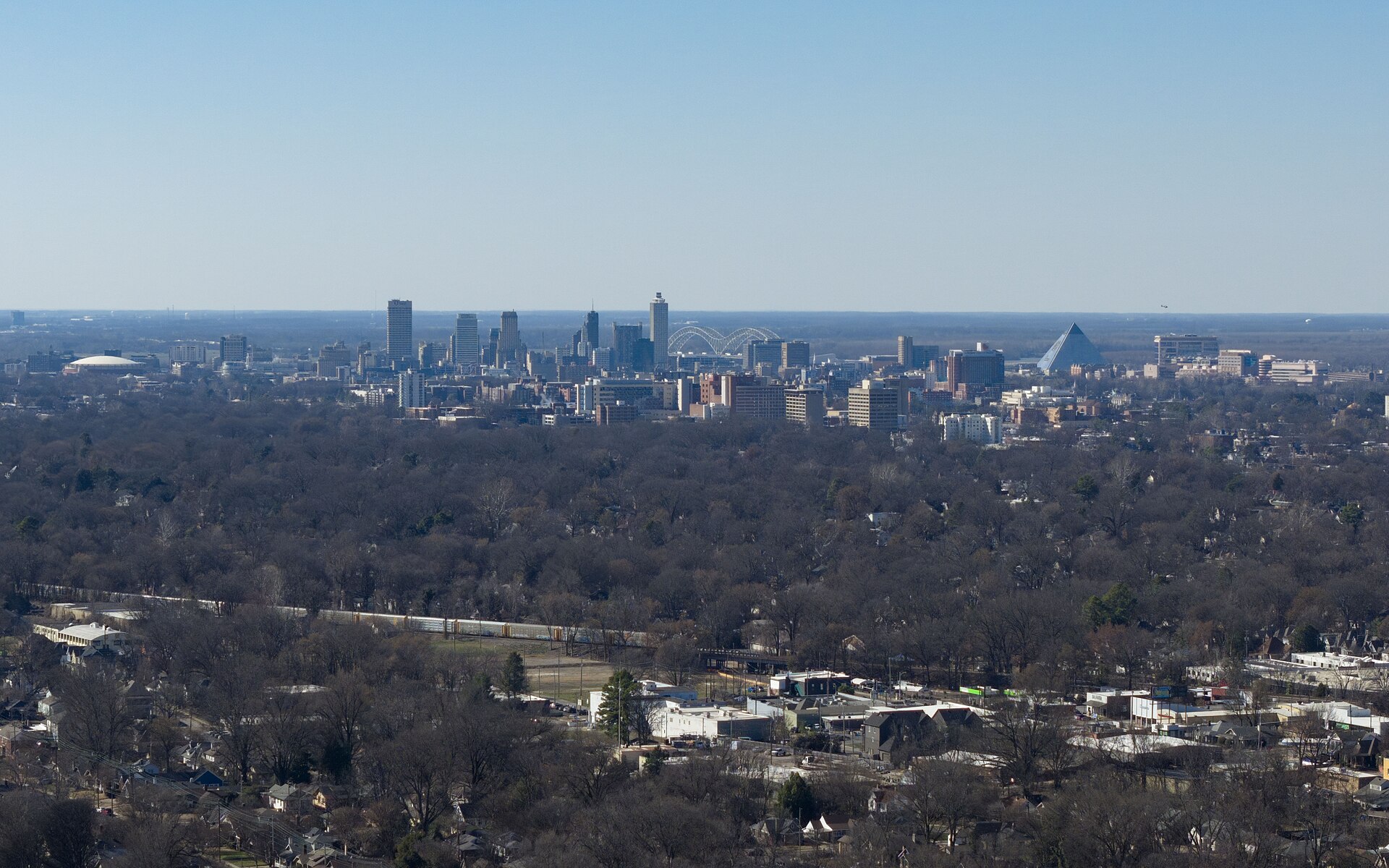
Image: Memphis skyline.jpg by Quintin Soloviev, CC BY 4.0, via Wikimedia Commons. Illustrative photo; it does not show the events described.


