


Humanoid Robots: Europe’s Training Gap and the Bets Trying to Close It

Humanoid robots do not learn from code alone. They learn from thousands of hours of people showing them real tasks, and the sites that collect that data are becoming industrial infrastructure.
A LinkedIn post circulating this week says China already has more than 90 centers training humanoid robots, while Europe has fewer than 10. Lens could not trace that count to a primary source. The closest verifiable figures are reports of more than 40 state-backed robot data-collection centers in China, 24 of them operating by late 2025, and Beijing’s Shijingshan center, which covers 10,000 square meters. A Dealroom report this month says China holds about 90% of the humanoid robot market. The direction is clear even if the exact count is not.
Germany’s Neura Robotics is Europe’s largest bet. It announced a Series C of up to $1.4 billion in June 2026, led by Tether, with Nvidia, Amazon, Qualcomm, Bosch, Schaeffler and the European Investment Bank among the reported investors. The words “up to” matter: the money is tied to company milestones. One outlet puts the valuation near $7 billion, which other sources do not confirm. Reports describe it as the largest venture financing in Germany’s history.
Others are following. London’s Humanoid became Europe’s first pure-play humanoid unicorn in July, and Munich’s RobCo passed a $1 billion valuation this month; Lens reports on both today.
Physical AI is also paying off outside the humanoid form. An investor’s LinkedIn post describes Marso Robotics, a Paris startup whose large robot arm arrived at Station F in a box nine months ago. A different version of the arm now moves very heavy boxes at its first customer’s site, according to that post. The team draws on Exotec, Parrot and self-driving backgrounds. Marso does not make humanoids, but its logistics-first path matches the warehouse and factory focus of many European robotics startups.
For Europe the stake is manufacturing, skills and jobs: whether the continent builds the training base and the robots, or imports both as AI moves into the physical world.
Sources
- AI Business: Neura Robotics raises $1.4B
- Beijing government: China’s largest humanoid robot training center
- Humanoid Guide: China expands humanoid robot training centres
- Dealroom: RobCo hits $1B valuation
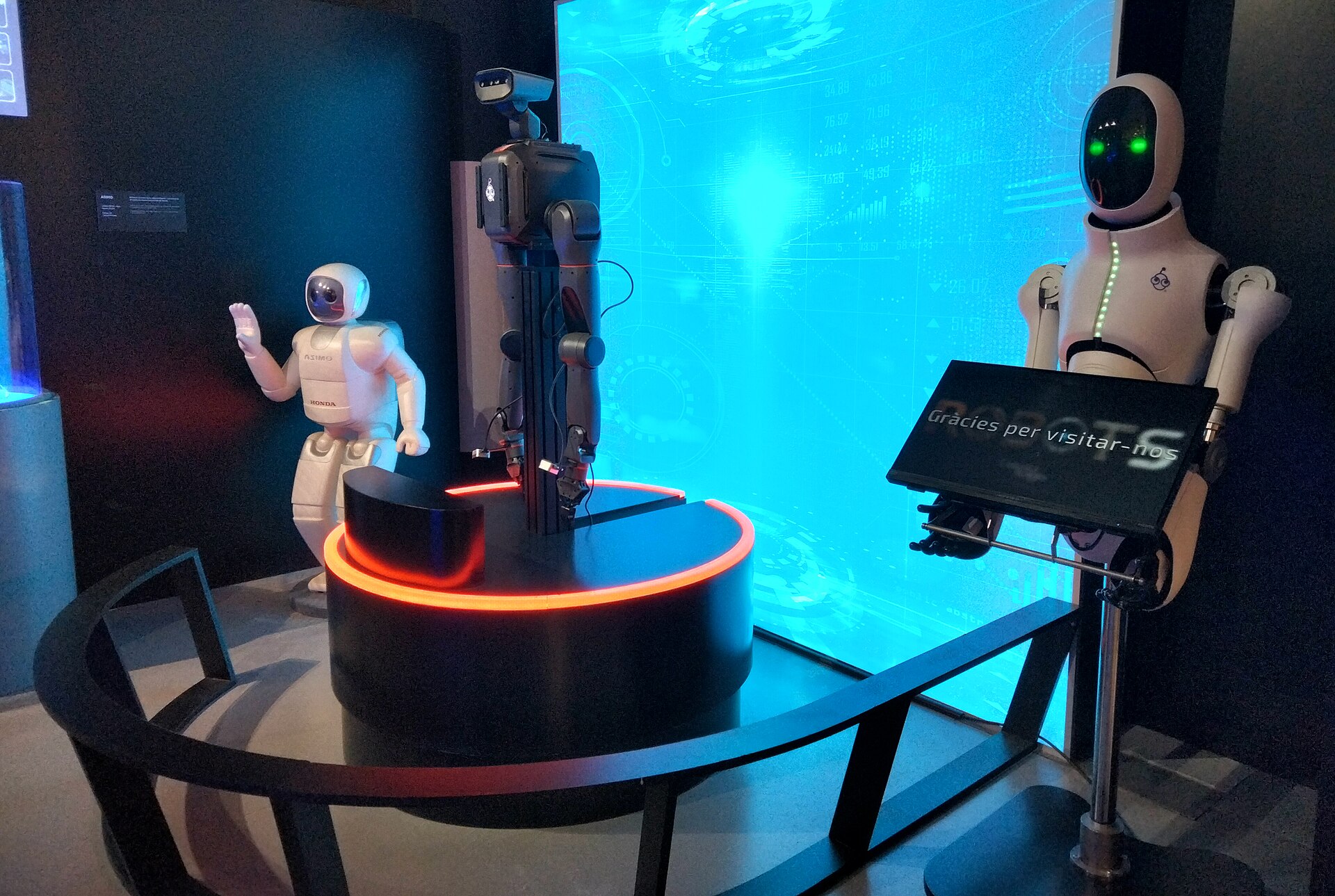
Image: 043 MNACTEC (Terrassa), exposició temporal Robots, àmbit dels robots humanoides.jpg by Enric, CC BY-SA 4.0, via Wikimedia Commons. Illustrative photo; it does not show the events described.


