Genesis AI Raises $500 Million Series A Led by Khosla, Premji Invest and Eclipse to Build Eno Humanoid Robot
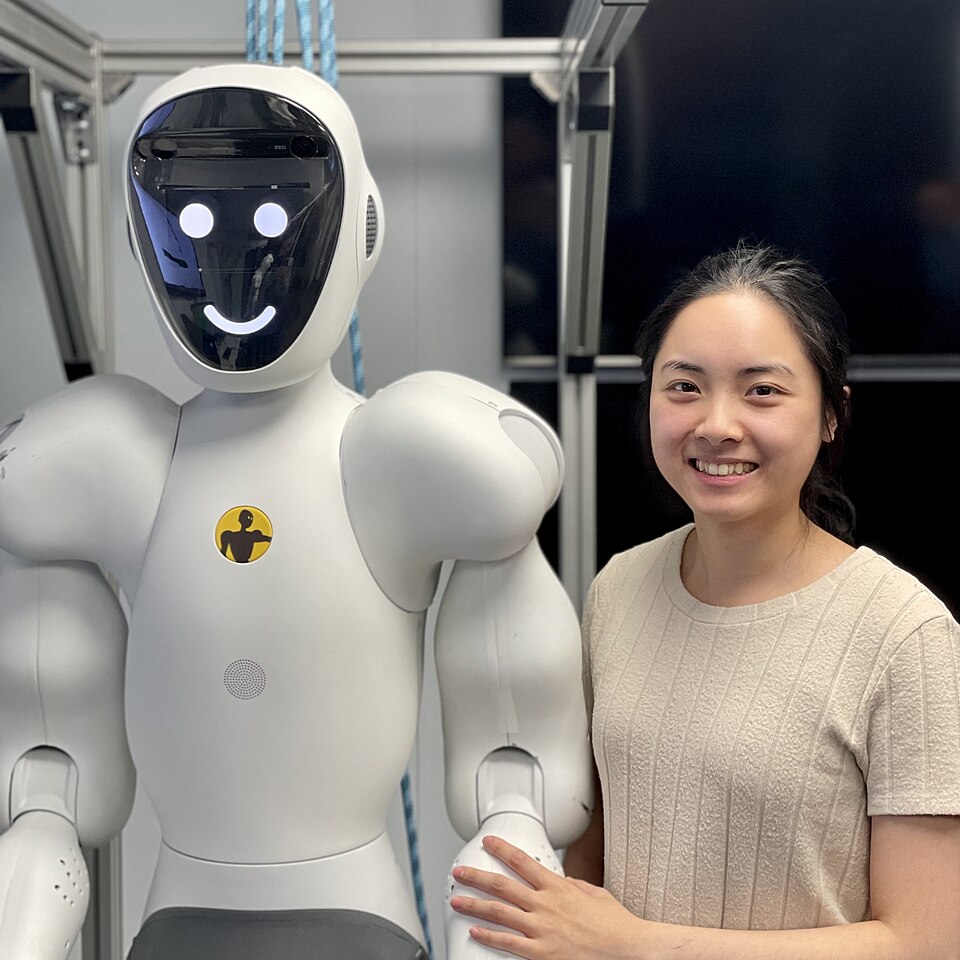

Genesis AI, a robotics company founded in 2024, announced a $500 million Series A round on 17 November 2026, according to TechCrunch. Khosla Ventures, Premji Invest and Eclipse led the round. TechCrunch says the article does not disclose a valuation or how the money will be used. The company previously raised a $105 million seed round in July 2025.
What Genesis builds
TechCrunch describes a vertically integrated approach: Genesis generates much of its own training data, develops its own generative AI model, and designs and builds its own humanoid robot. The training data comes from sensor-equipped gloves and headset cameras worn by more than 100 workers worldwide. The robots use the same gloves, and their hands are designed to match human hand proportions. The company also runs simulations. It was co-founded by chief executive Zhou Xian and president Théophile Gervet, who met as graduate students at Carnegie Mellon.
The Eno robot
Eno is the company’s flagship humanoid. TechCrunch reports that Genesis has built 30 to 40 units, has finalised the design of the mass-produced version and has chosen a US contract manufacturer to start work next year. It is piloting Eno with several undisclosed customers. Eno was not ready to demonstrate for TechCrunch, which saw a demonstration with off-the-shelf robotic arms instead. Xian says hardware is the main constraint: the company’s dexterous hands last only a few weeks of regular work before replacement.
What the company says
Xian said Genesis has “cracked dexterous manipulation” and, on the technical outlook: “I don’t think we expect or we need another fundamental scientific leap.” These are the company’s claims, and Lens has not verified them.
Where reports differ
TechCrunch’s article does not state a valuation. Search summaries of PYMNTS and other outlets report a post-money valuation of $3.5 billion, which Lens could not confirm in a full article.
Sources and notes
Read in full: TechCrunch, 17 November 2026. Lens did not open the company’s own announcement or the PYMNTS article.
Image: a humanoid collaborative robot at Halodi Robotics, used as a stand-in. It is not Genesis’s Eno. Photo by Nicholas-halodi, CC BY-SA 4.0, via Wikimedia Commons.